
News & Media
Become a Plumber
Plumbers keep homes, businesses and communities running - installing and maintaining the water, drainage and gas systems we rely on every day.
With a TAPS plumbing apprenticeship, you’ll learn the trade on the job with a host employer while earning a weekly wage.
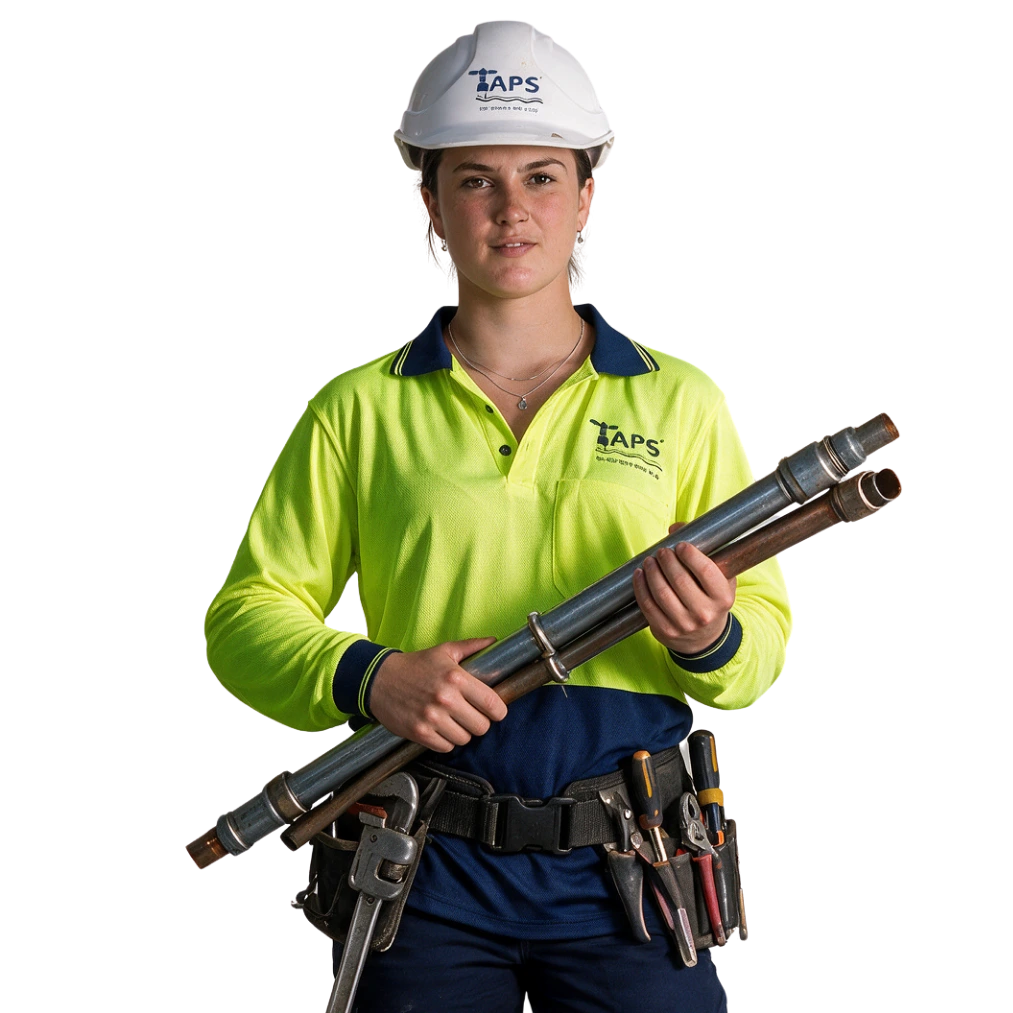
What does a Plumber do?
No two days are the same. You could be setting out pipework on a new home in the morning and tracking down a leak in the afternoon.
Install and repair hot and cold water systems, including hot water units
Install toilets, basins, showers and the waste pipes that connect them
Lay and repair drains and sewer connections
Read plans and drawings to set out pipework on new builds
Find and fix leaks, blockages and faults
Work on gas lines and appliances
On the tools
Where you could be working
Plumbing isn't one job. TAPS host employers work right across these areas, and your placement shapes the kind of work you do day to day.
New Homes
Residential builds from slab stage through to fit-off. Trenches and roof spaces one week,
bathrooms and kitchens the next, with every other trade working around you.
Typical Sites
Slabs, frames, roof spaces, trenches, bathrooms, kitchens, external drainage
Construction
Bigger commercial jobs on multi-level buildings. Service risers, suspended slabs and plant areas, with cranes and other trades sharing the site.
Typical Sites
Multi-level buildings, plant areas, excavations, suspended slabs, service risers
Maintenance
No two jobs the same. You diagnose and fix in homes, schools, aged care and public buildings, often meeting the customer and working the problem out on the spot.
Typical Sites
Homes, commercial buildings, aged care, schools, roof spaces, underfloor areas, plant rooms
Mechanical Services
The pipework behind heating and cooling in large buildings. Hospitals, schools and plant decks, working on boilers, chillers and HVAC systems.
Typical Sites
Commercial buildings, plant rooms, hospitals, schools, mechanical plant decks, risers
Civil
Subdivisions and road corridors, laying the drainage that goes in long before the houses do. Big outdoor sites with heavy machinery.
Typical Sites
Civil construction, subdivisions, road corridors, trenches, pits, excavations
Not sure which suits you? Tell us in your application and we’ll talk it through at your interview.
Your qualification
Qualification
Certificate III in Plumbing (CPC32420)
DURATION
Usually around four years full-time
TRAINING
On the job, plus trade school blocks
TRADE SCHOOL FEES
Paid for by TAPS
PPE
Provided by TAPS
Depending on your host employer, you may also be eligible for up to $10K through the Key Apprenticeship Program. Qualification details: CPC32420 on training.gov.au
Pathway slider
Drag through your apprenticeship.
Year 1 - indicative weekly wage
$520
Where you start on day one
Finding your feet
What you'll be learning
Site basics, safety tickets, drainage and cold water services.
Level of responsibility
Working under direct supervision at all times.
Indicative figures only. Wages vary by award, age and prior qualifications.
Your apprenticeship, year by year
Year 1
Learn the basics
Tools, materials and site safety. You’ll assist on installs and maintenance jobs and complete your first trade school blocks.Year 2
Build your skills
Take on more of the hands-on work - water services, sanitary plumbing and drainage - under supervision.Year 3
Step up
Work more independently across a wider range of jobs, including more complex installations and fault-finding.Year 4
Finish strong
Complete your final training and assessments and earn your Certificate III in Plumbing. Estimated income: . Income figures are estimates only - for current award rates, see the Fair Work Ombudsman pay guides.Registration and licensing in South Australia
In South Australia, all plumbing, gas fitting and electrical workers - including apprentices - need a photographic registration card from Consumer and Business Services (CBS). Once your training contract is approved, CBS will contact you by email or SMS to upload a photo and ID, then post your card out. There’s no fee.
When you finish your apprenticeship, you can upgrade to a full plumbing worker registration - and later apply for a contractor’s licence if you want to run your own business.
Read more on SA.GOV.AU
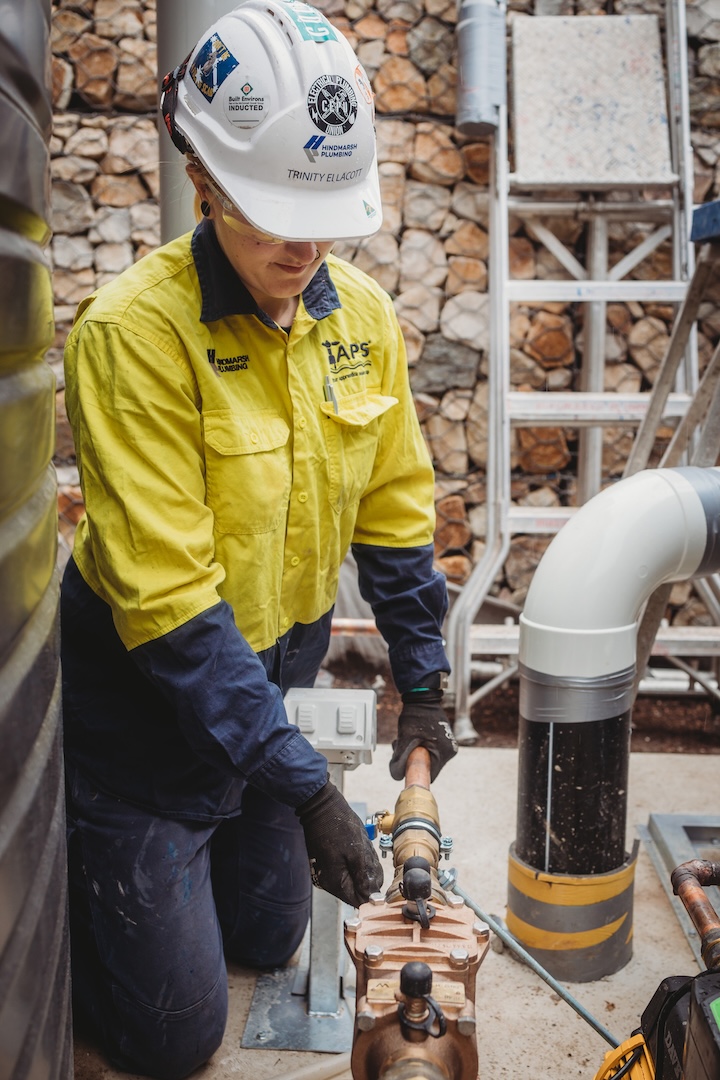
Is plumbing right for you?
You enjoy hands-on work and solving problems
- You’re comfortable working indoors and outdoors, in all weather
- You’re confident with basic maths and measurements
- You like variety - new builds one day, repairs the next
- You don’t mind getting your hands dirty or working in tight spaces